
At the foot of Mt. Kurikoma (Mt. Sukawa), Japan’s original satoyama (rural mountainside) landscape — the Kubokawa Ihatov World.
We’ll introduce autumn in the Kubokawa Ihatov World.
Our staff previously visited and introduced “the Kubokawa Ihatov World” and “Chishoin Temple.”
Here you’ll find Japan’s original satoyama landscape, a rare sight nowadays.
And soon, autumn will arrive in the satoyama too!
This time, the research staff kindly gave us an advance look at the autumn charms of “the Kubokawa Ihatov World,” which we’ll introduce on our blog as well!
Autumn Sightseeing at the Foot of Mt. Kurikoma — The Kubokawa Ihatov World! September Edition
Autumn finally begins in September.
With its comfortable temperatures, September also looks like a great time for a satoyama walk.
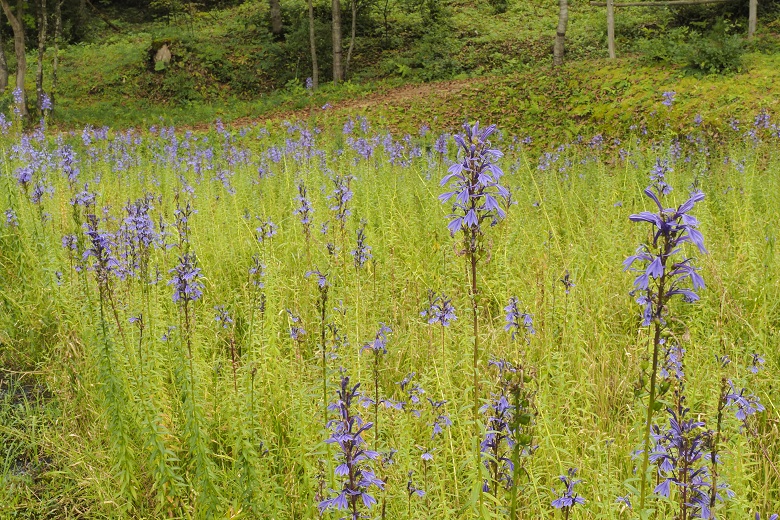
↑This is the Sawagikyo (blue lobelia) that colors the wetland grasslands. It’s at its best in September.
Its refreshing purple color spreads out, soothing the fatigue of the hot summer.

↑Sawagikyo attracts a variety of insects and is charming with its neat, elegant appearance.
The one sipping nectar here is a swallowtail butterfly (kiageha).
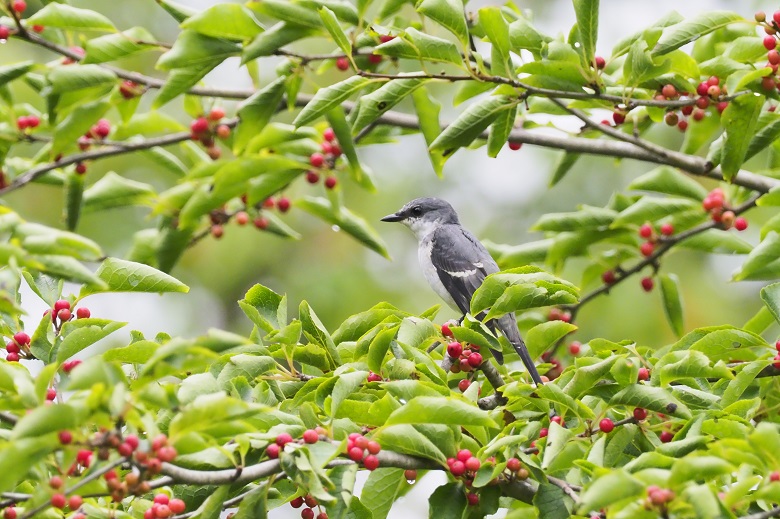
↑If you’re lucky, you may also encounter summer birds such as the ashy minivet (sansho-kui), preparing for migration.
Summer birds are migratory birds that arrive in Japan from spring through summer and leave for their wintering grounds in autumn.
This may be your last chance this year to see an ashy minivet.
Autumn Sightseeing at the Foot of Mt. Kurikoma — The Kubokawa Ihatov World! October Edition
In October, the trees of the satoyama begin to turn red and yellow.
It’s a month of harvest — a month when you can really feel the excitement of autumn building.

↑In October, autumn leaves begin to color the Kubokawa Ihatov World, and you can see rice harvesting and “honnyo” drying racks.
We look forward to the delicious rice!
In rice harvesting without a combine harvester, “honnyo” racks are built to dry the rice in the sun.
This too evokes Japan’s original landscape.

↑The white flower blooming in the coppice woods is Kikkouhaguma (Ainsliaea acerifolia). A small, delicate autumn flower.
It’s said that by the time this flower, which blooms as autumn deepens, reaches full bloom, few other species remain in bloom.
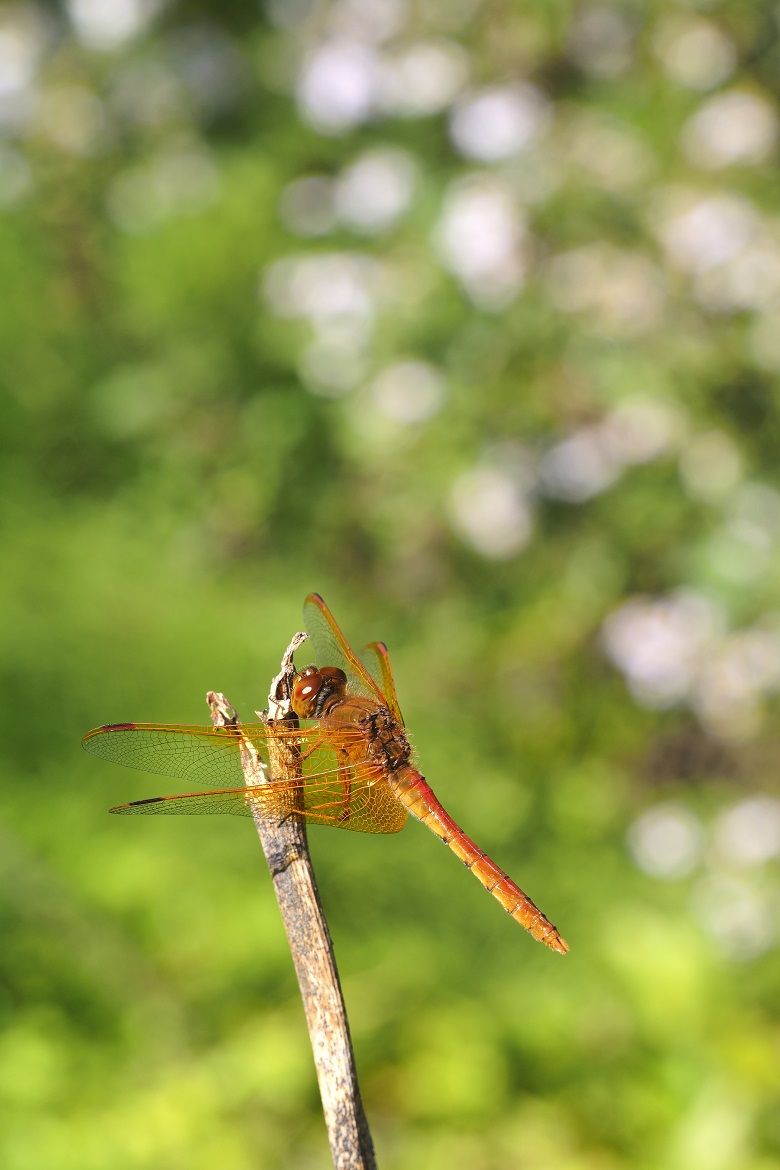
↑A “kitombo” (yellow-winged darter) against a backdrop of nokongiku (wild asters) by the water’s edge. Kitombo are insects you can still encounter even in late autumn.
Autumn Sightseeing at the Foot of Mt. Kurikoma — The Kubokawa Ihatov World! November Edition
In November, once the autumn foliage passes its peak, preparations for winter begin.
We recommend enjoying this transition from autumn to winter as well.
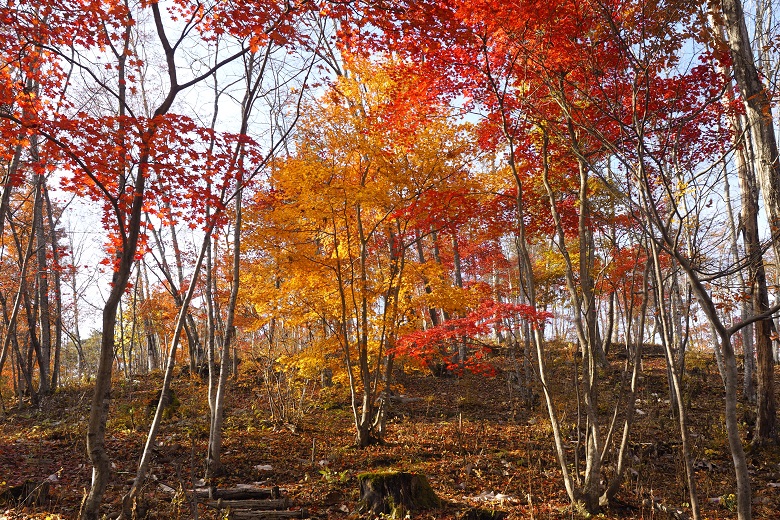
↑Early November is when the autumn foliage in the Kubokawa Ihatov World turns its most vivid colors.

↑Animals become active as they prepare to overwinter. Autumn is the mating season for the Japanese serow, and they may even appear before people.

↑Visitors from far-off Siberia. Swans arrive, bringing with them a hint of winter. The season turns toward winter.
If You’re Staying in Ichinoseki in Autumn, Visit the Satoyama of the Kubokawa Ihatov World!
For access information and more about the Kubokawa Ihatov World, please see here!
★[Nearby Sightseeing Information] Kubokawa Ihatov and Its Nature Restoration Efforts
Also, this article’s wonderful photos were kindly provided by the Kubokawa Ihatov Nature Restoration Research Institute.
On the researchers’ own blog, you’ll find beautiful photos along with detailed writing about the nature of the satoyama.
Please be sure to check it out as well!