
At the foot of Mt. Kurikoma (Mt. Sukawa) lies Kubokawa Ihatov World, a place that preserves the original scenery of a Japanese satoyama.
We introduce spring through early summer at Kubokawa Ihatov World.
Kubokawa Ihatov World carries out nature restoration efforts to protect Japan’s native species — animals and plants originally found here — from invasive species.
Through these efforts, the original scenery of a Japanese satoyama is being brought back to life.
A place where people and nature coexist, with a somehow nostalgic feel — the original Japanese scenery of Kubokawa Ihatov World’s SATOYAMA.
Taking a nature walk while also paying attention to, and helping support, activities that protect this kind of original Japanese scenery is part of the real pleasure of sightseeing here!
[Spring at the Foot of Mt. Sukawa / Mt. Kurikoma] Spring at Kubokawa Ihatov World
In central Ichinoseki, the cherry blossom season has ended and it’s now the season of fresh greenery, but in the satoyama, spring is only just getting into full swing.
We had a researcher give us an early preview of the charms of “Kubokawa Ihatov World” from spring into early summer, which we’re happy to share on our blog!
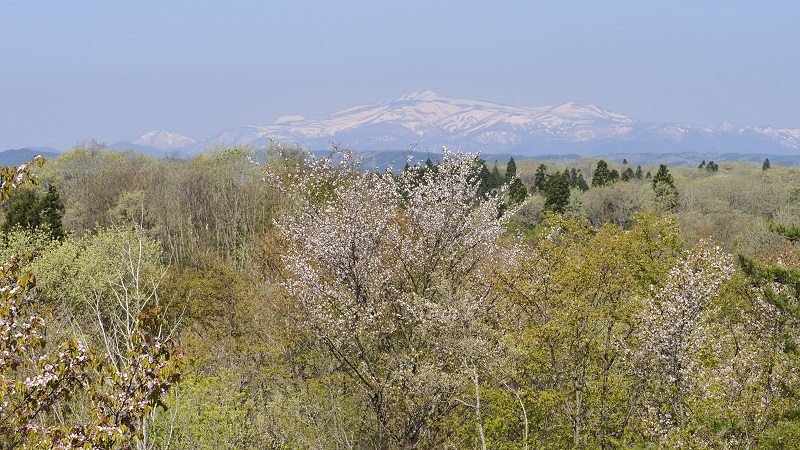
[Late April] Mt. Kurikoma (Mt. Sukawa) and a budding grove of mixed trees. Wild Kasumizakura cherry trees are also in full bloom.
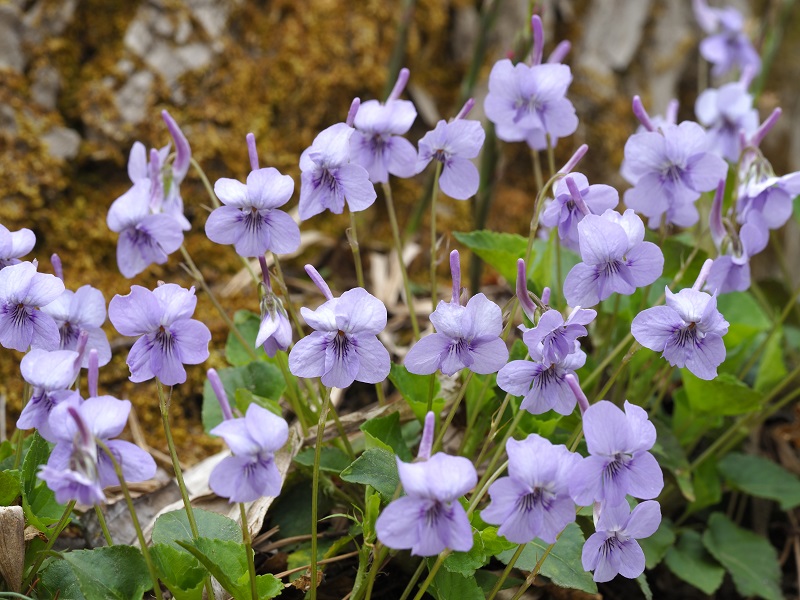
[Late April] Naga-hashi-sumire violets color the spring forest. They grow wild mainly in heavy-snowfall regions along the Sea of Japan side.
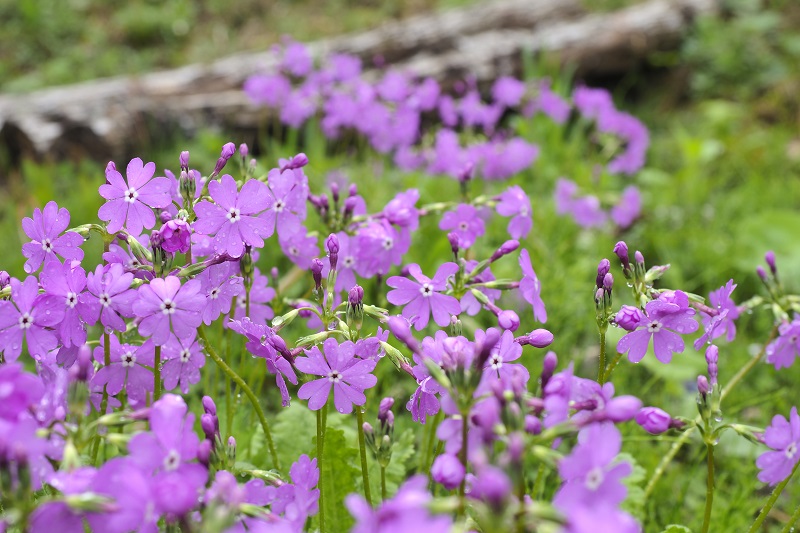
[Early May] The primrose (sakurasou), a fairy of spring that represents wetlands.
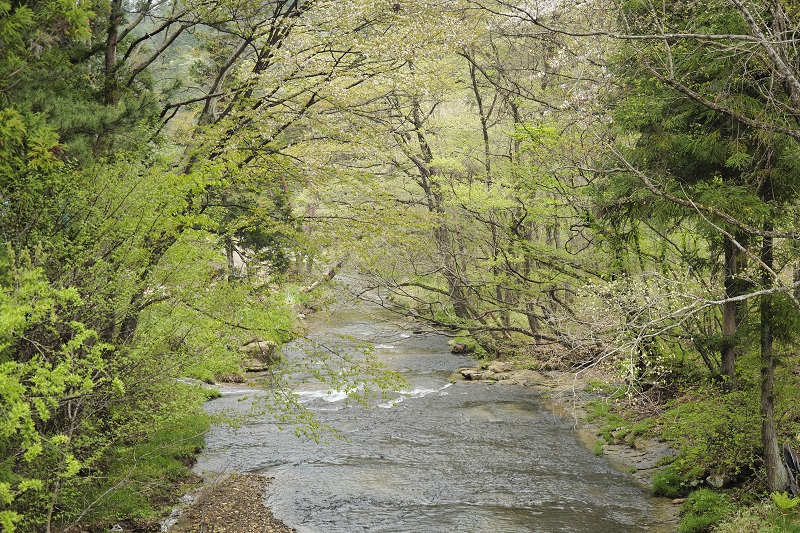
[Early May] The Kubokawa River, carrying snowmelt water. Its upper reaches in particular run especially clear.
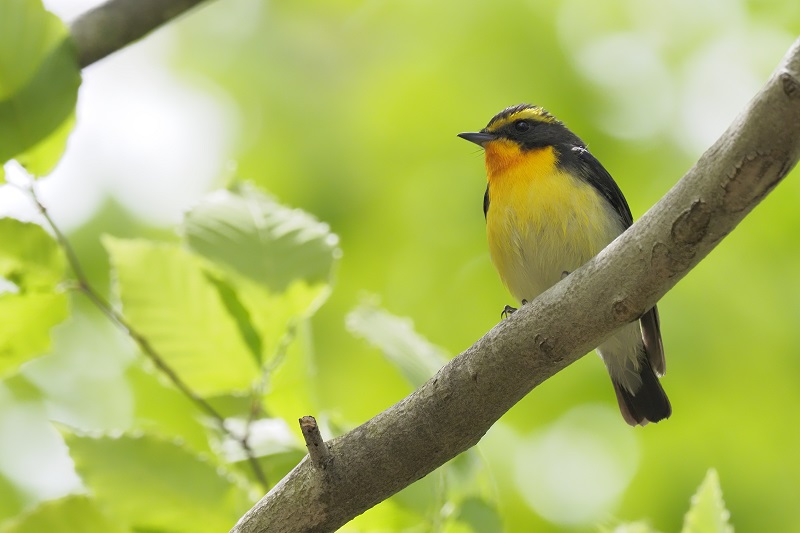
[Early May] The narcissus flycatcher (kibitaki), a migratory bird that heralds the arrival of summer. It raises its young and stays in the prefecture until autumn.
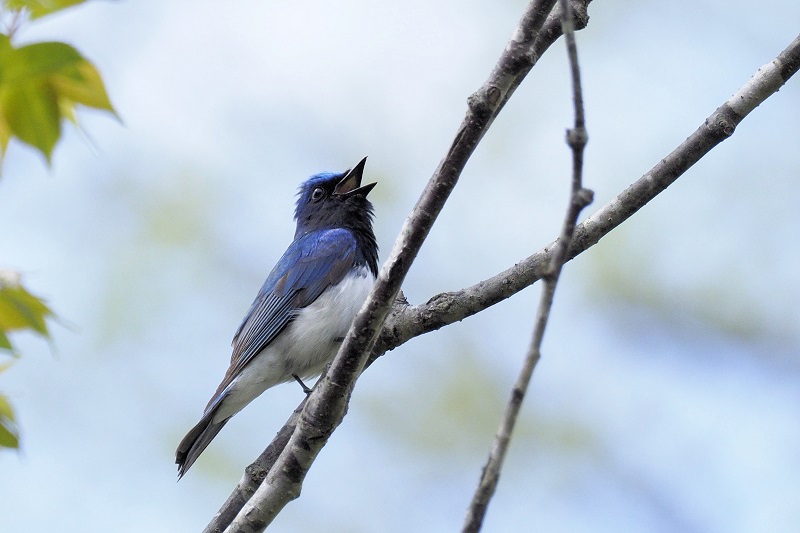
[Early May] The blue-and-white flycatcher (ooruri), one of Japan’s three great songbirds. Like other summer birds, it sings often during its breeding season in May.
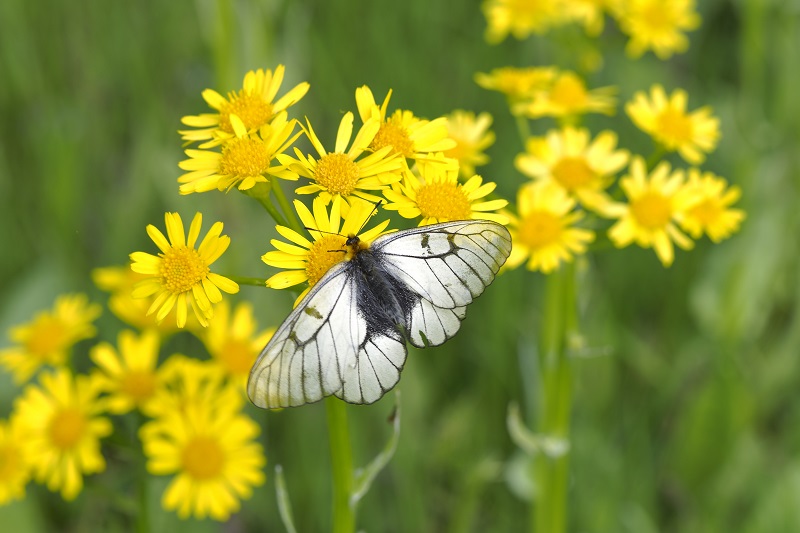
[Mid-May] Sawa-oguruma (a type of ragwort) and the black-veined white butterfly (usubashirochou). The adult butterflies of this species appear for only a few weeks.
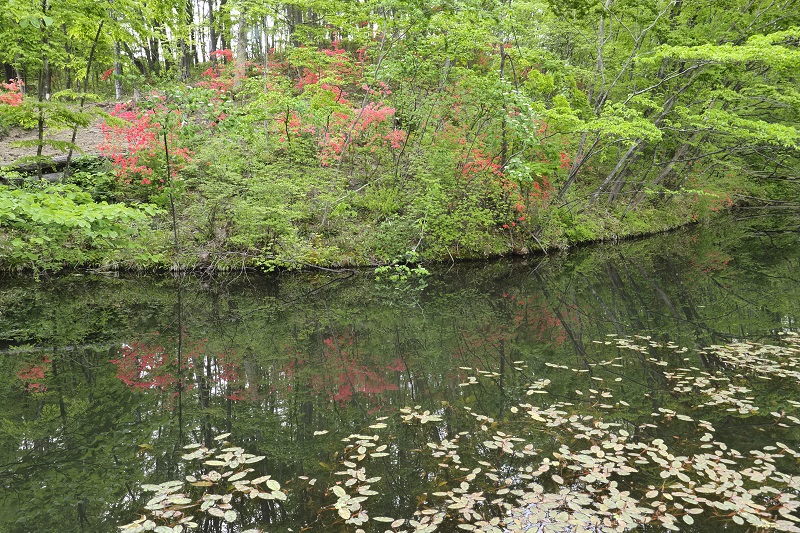
[Mid-May] Vivid yama-tsutsuji (wild azalea) blossoms reflected on the surface of an irrigation pond.
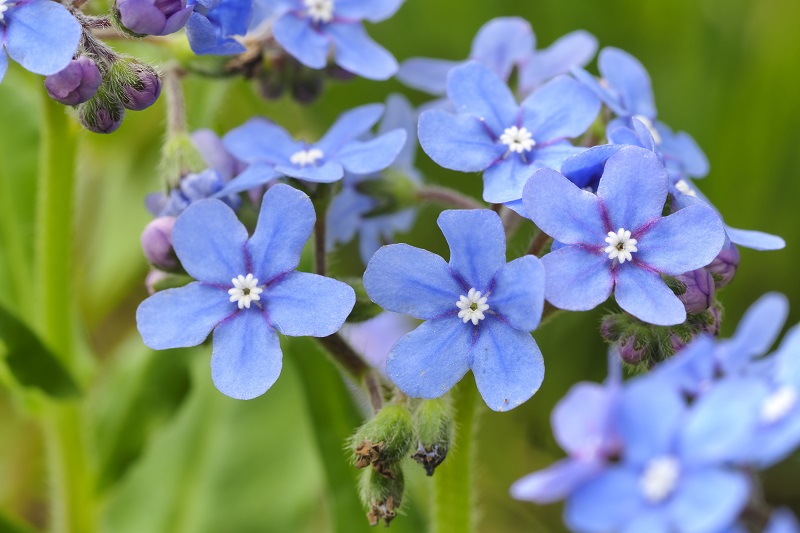
[Mid-May] Ruri-sou (a type of forget-me-not relative) blooming along the edge of a somewhat damp forest. Its striking, eye-catching blue petals are its charm.
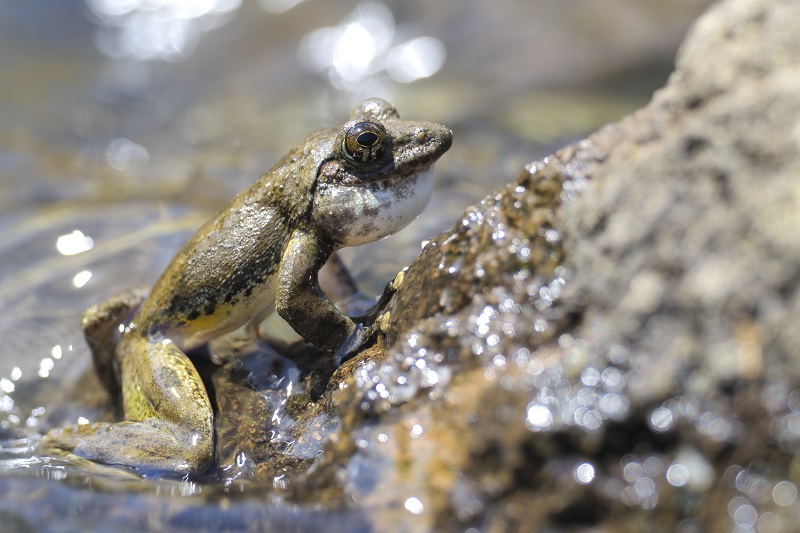
[Late May] The Kajika frog, calling out in the clear stream. Listen closely by the river, and you might hear its beautiful voice.
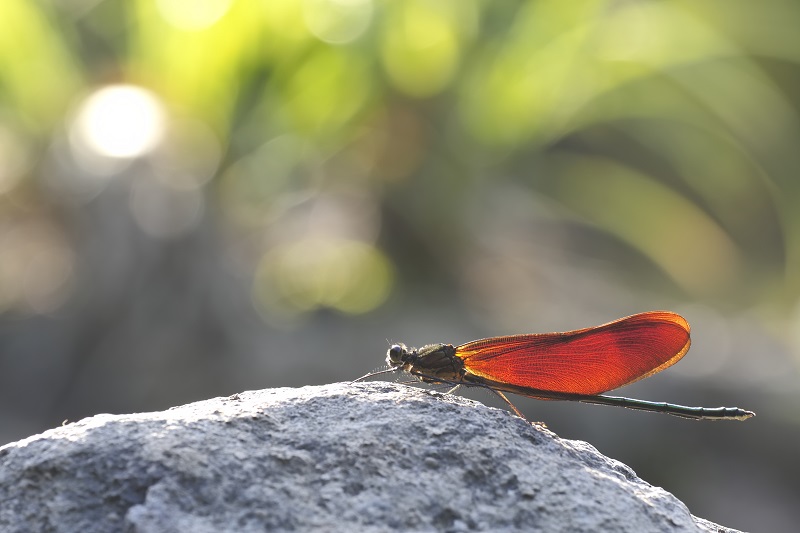
[Late May] A river cruiser dragonfly (miyama-kawatonbo), its wings shimmering in the evening sun by the riverside.
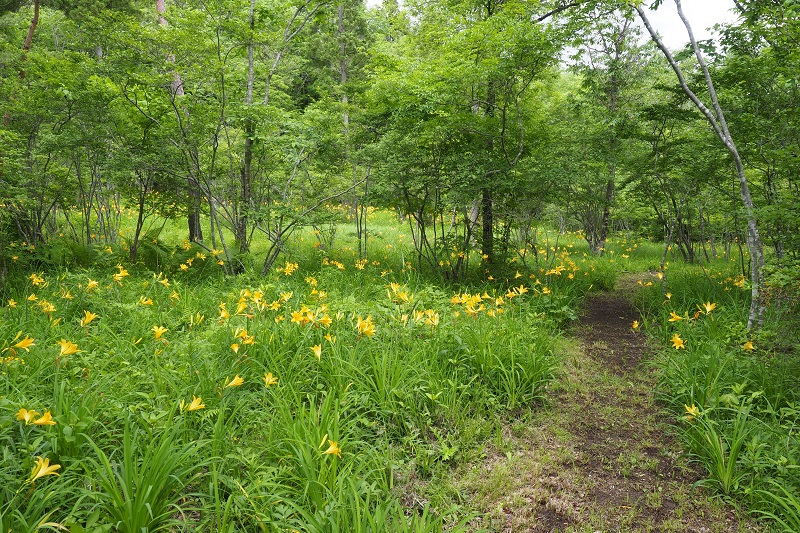
[Late May] When Nikko Kisuge daylilies burst into bloom across the forest wetland, summer is truly about to begin.
If You Stay in Ichinoseki in Spring, Visit the Satoyama of Kubokawa Ihatov World!
For access information and more about Kubokawa Ihatov World, please see the following:
★[Nearby Sightseeing Information] Kubokawa Ihatov and Its Nature Restoration Efforts
This article’s wonderful photos were also generously provided by the Kubokawa Ihatov Nature Restoration Research Institute.
The researchers’ own blog covers the nature of this satoyama in detail, along with beautiful photos.
Please be sure to check it out as well!